By Amadu Wurie Timbo
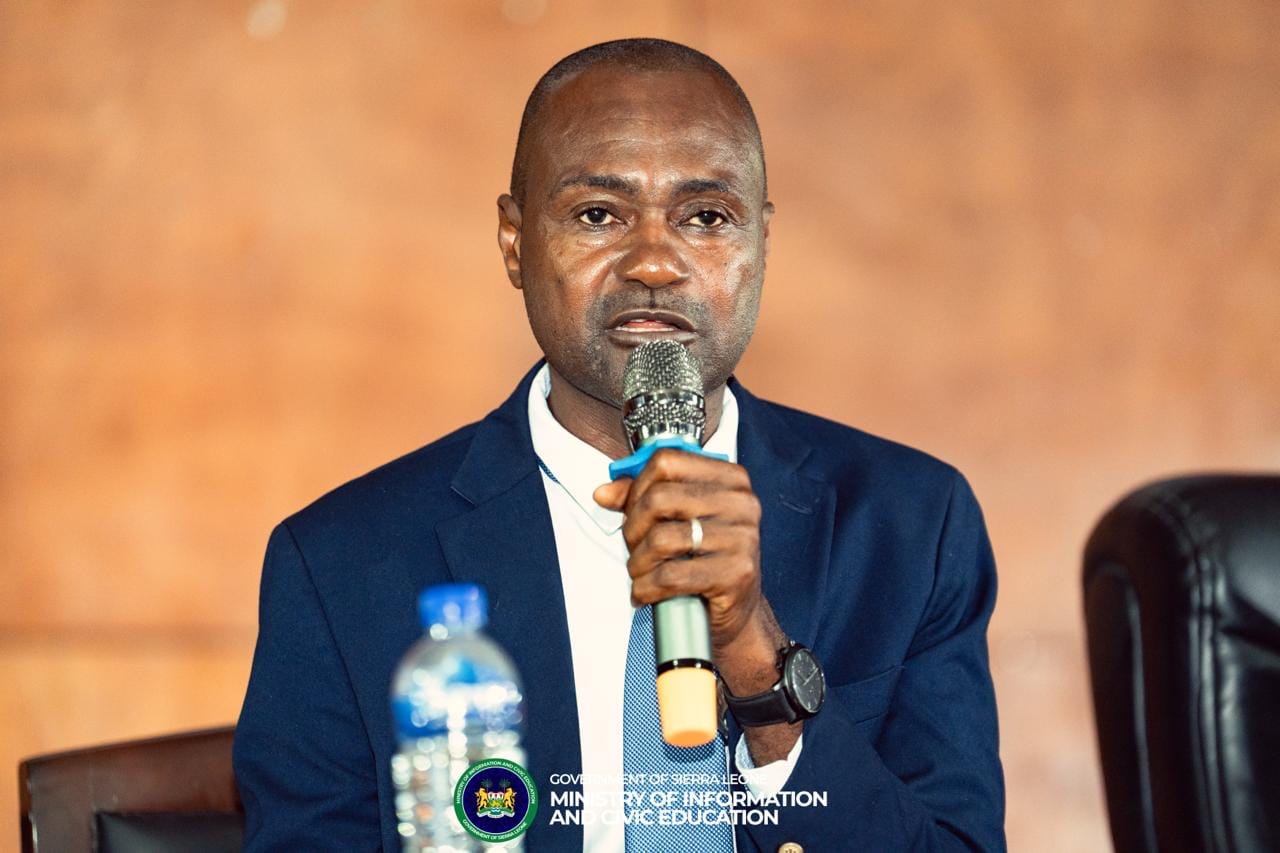
Sierra Leone People’s Party (SLPP) Member of Parliament, Hon. Hindolo Moiwo Gevao, has explained the process leading to the Constitutional Amendment Bill, saying the proposed reforms are the product of years of national consultations, political engagement and parliamentary scrutiny.
Hon. Gevao said Sierra Leone’s constitutional reform process dates back to the Peter Tucker Constitutional Review Committee and was subsequently advanced by the 80-member Constitutional Review Committee chaired by Justice Edmond Cowan.
According to him, the process brought together representatives from political parties, civil society organisations, the media, teachers and other sectors of society to consider possible changes to the country’s Constitution.
“The constitutional reform process is the product of years of consultations and broad national engagement,” Hon. Gevao said.
He explained that although political parties and other stakeholders differed on some recommendations, consensus was reached on several key issues, including electoral reforms, proportional representation, reducing the threshold for winning a presidential election to 50% plus one, and increasing women’s participation in politics.
Hon. Gevao said concerns arising from the 2023 general elections subsequently led to further engagement involving the SLPP, the main opposition All People’s Congress (APC) and other stakeholders, with the aim of identifying areas of agreement on constitutional and electoral reforms.
Addressing concerns over the timing of the proposed amendments, the MP said provisions that could affect the 2028 elections were separated from the broader constitutional review process to avoid introducing major electoral changes too close to the polls.
He said the Constitutional Amendment Bill received its First Reading in Parliament in February 2026, after which lawmakers scrutinised its provisions, consulted legal experts and proposed amendments.
According to Hon. Gevao, issues considered during the parliamentary process included electoral reforms, dual citizenship, women’s political participation and eligibility requirements for candidates seeking elective office.
“Disagreements during parliamentary consideration are a normal and important part of the legislative process and democratic debate,” he stated.
Hon. Gevao maintained that the proposed reforms are intended to strengthen Sierra Leone’s democratic system through consultation, transparency and parliamentary scrutiny.
He stressed that differences of opinion over individual provisions should be viewed within the broader democratic process of debating and refining proposed constitutional changes before they become law.