By Amadu Wurie Timbo
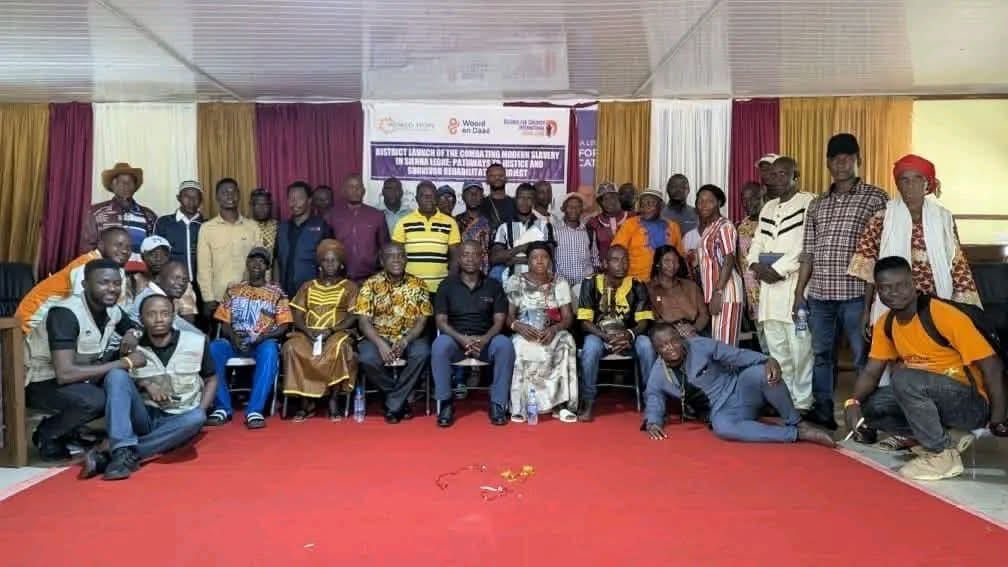
The Chairman of the Karene District Council, Abdul Kandeh Turay, on Friday, 14 August 2026, officially launched a joint child protection project aimed at preventing and responding to child exploitation and abuse across the district.
The project is being implemented by Defence for Children Sierra Leone (DCI-SL) and WHI, with funding support from Wood and Daad, as part of efforts to strengthen community-based child protection mechanisms in Karene District.
The launch marked more than the beginning of a new project; it signified a renewed commitment to safeguarding the rights, dignity and future of children in the district.
The event brought together government authorities, community leaders, child protection actors and development partners around a shared vision of creating communities where children can live free from fear, violence, abuse and exploitation.
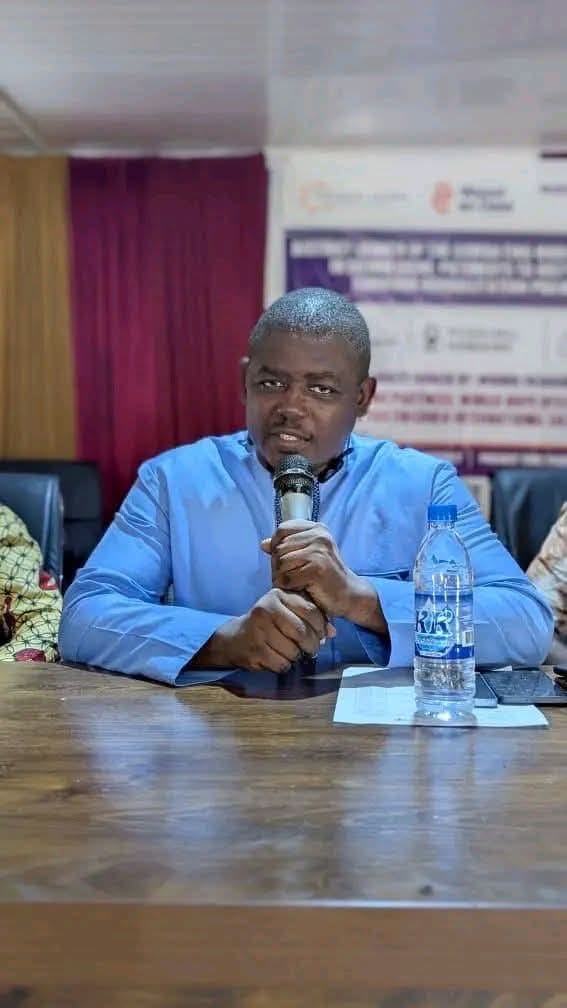
Speaking at the launch, Turay stressed the importance of providing children with a safe and supportive environment in which they can develop and reach their full potential.
“Every child deserves to grow up in a safe environment where they are protected, valued and given the opportunity to reach their full potential,” Turay said.
He acknowledged that children in Karene District, like those in other parts of the country, continue to face risks of exploitation and abuse. He therefore called for collective action among key stakeholders to strengthen the district’s child protection system and ensure that no child is left behind.
“This initiative reflects the understanding that protecting children is not the responsibility of one organization alone. It requires the combined efforts of government institutions, civil society organizations, traditional leaders, families, schools, law enforcement agencies and communities working together with compassion and determination,” Turay stated.
Following the official launch, participants engaged in two days of stakeholder consultations aimed at developing a Karene District-specific Referral Protocol for the prevention of and response to child exploitation and abuse.
The proposed framework is expected to strengthen coordination among relevant institutions, clearly define the roles and responsibilities of stakeholders, and establish effective referral pathways for children in need of protection.
It is also expected to help ensure that children who are at risk or have experienced exploitation or abuse receive timely, coordinated and appropriate support from the relevant authorities and service providers.