By Amadu Wurie Timbo
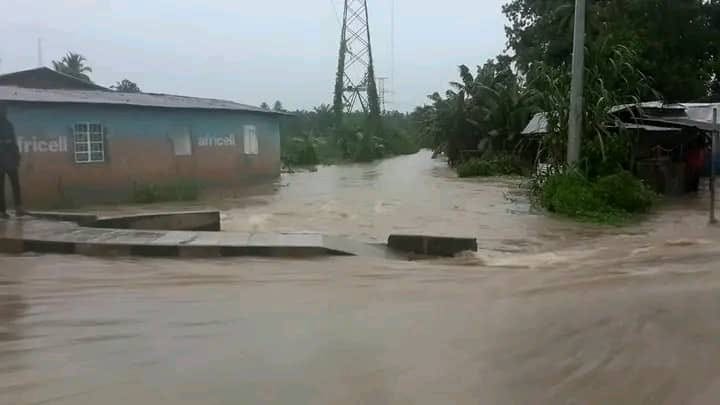
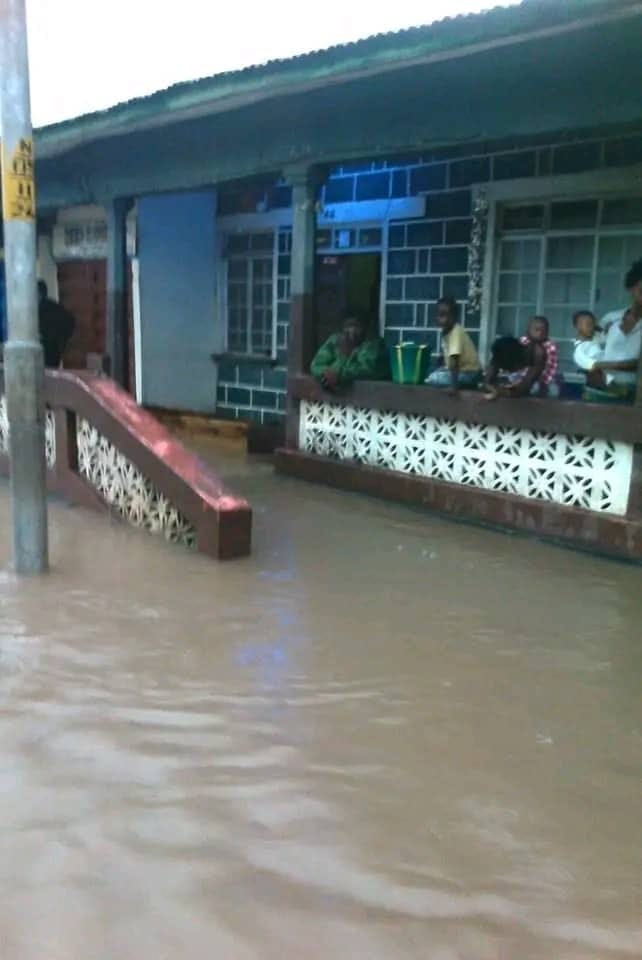
Last year’s hours of torrential rainfall once again exposed the vulnerability of many communities in Makeni City, as floodwaters swept through homes, businesses, and neighborhoods, destroying properties worth millions of leones. With the rainy season underway, many residents now fear that this year’s downpours could bring even greater devastation.
Communities including Lower John Street, Molala Road, Magburaka Road, Agriculture Road, Kojo Street, Teko Road, Milton Street, Rogbaneh Road, Savage Square, and other flood-prone areas remain at high risk.
Civil society activists say growing concern centers on homes and structures built on swamps and other low-lying areas, where natural waterways have been obstructed by unplanned human settlement and development.
“For families living in these areas, every dark cloud and heavy rainfall brings anxiety,” said Foday Koroma, a resident of Lower John Street. “We live with the constant fear of losing our homes, belongings, and livelihoods.”
Like Koroma, many residents believe that unless urgent preventive measures are taken, the flooding experienced last year could be even more severe as the rainy season progresses.
They are calling on the authorities to improve drainage systems, protect wetlands and swamp areas, strengthen urban planning, and carefully assess settlements in flood-prone communities to reduce future disaster risks.
The painful memories of last year’s floods remain fresh. Many families are still struggling to recover from the destruction and financial losses they suffered. The repeated flooding has left residents frustrated and fearful that another major downpour could once again displace families and worsen the hardship faced by already vulnerable households.
As climate change, deforestation, and rapid urban expansion continue to increase Makeni’s vulnerability to flooding, residents are urging the Government, through the National Disaster Management Agency (NDMA), the Environment Protection Agency (EPA), Makeni City Council, humanitarian organizations, and development partners, to take urgent action before the situation escalates into another humanitarian crisis.