By: Amadu Wurie Timbo
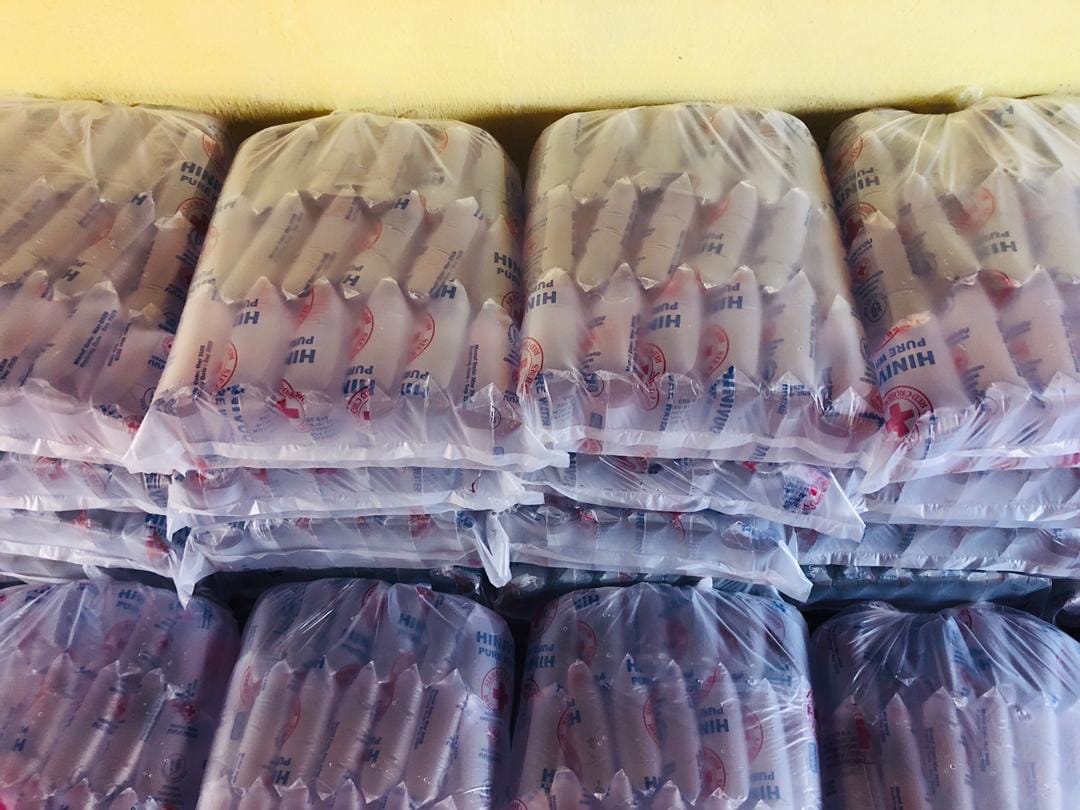
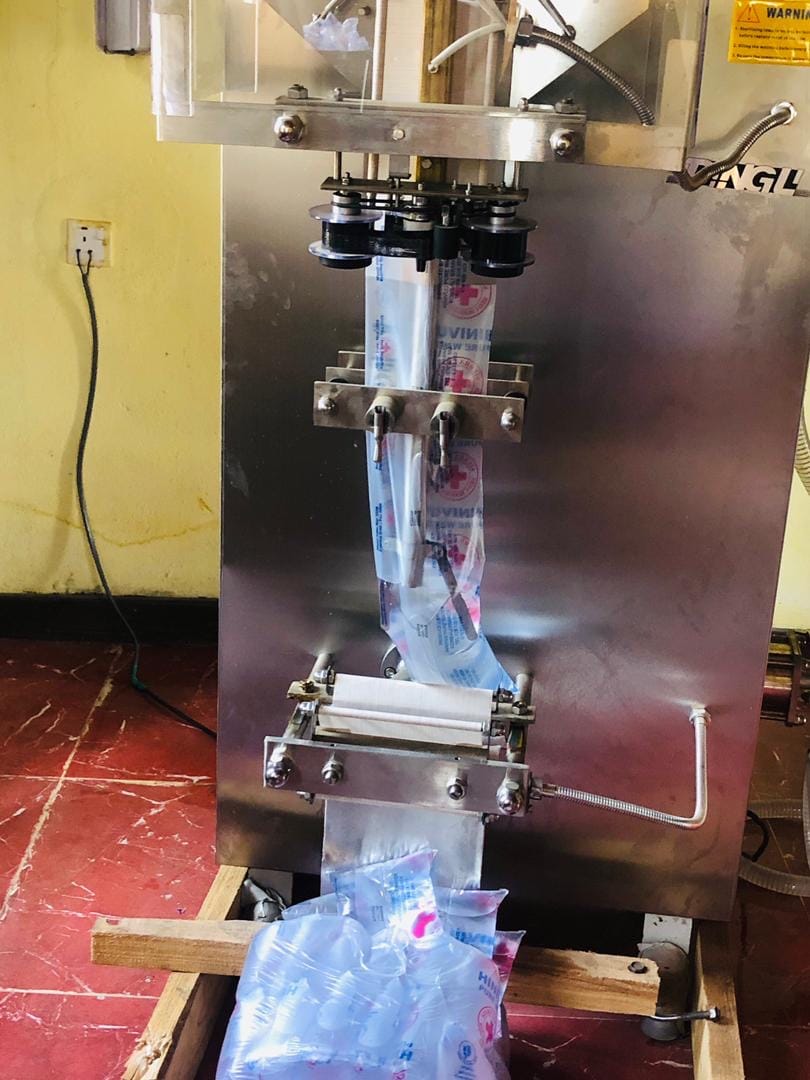
For decades, the Sierra Leone Red Cross Society has been recognised for standing with communities during their darkest and most challenging moments, responding to disasters, promoting voluntary blood donation, providing first aid, and supporting the most vulnerable. Today, the organisation is expanding its humanitarian mission beyond emergency response with the launch of its first safe packeted drinking water initiative in Makeni.
The project is aimed at addressing one of the city’s most pressing public health challenges: access to safe drinking water.
Mohamed Sesay, Branch Manager of the Sierra Leone Red Cross Society’s Bombali Branch, said the initiative was developed in response to concerns raised by residents during assessments conducted following disaster response operations in the district. He noted that the project also aligns with the Society’s Water, Sanitation and Hygiene (WASH) programme implemented in Bombali after the recent flash floods in Makeni.
“Too many families remain exposed to contaminated water, especially during the rainy season when flooding pollutes wells and other water sources, increasing the risk of cholera, typhoid, diarrhoea and other preventable diseases,” Sesay said.
He added that the initiative is designed to have a lasting humanitarian impact, explaining that every packet of water purchased will directly support Red Cross activities across Bombali, helping the organisation expand its services to vulnerable communities in Makeni and the wider district.
“It is a sustainable model where every purchase becomes an investment in saving lives and building stronger communities,” he said.
Factory Manager Hassan Barrie said production meets the standards set by the Sierra Leone Standards Bureau and is carried out under strict laboratory supervision. He noted that the project demonstrates the Red Cross’ commitment not only to responding to disasters but also to implementing practical, long-term solutions that prevent suffering, improve public health, and strengthen community resilience.
Residents have welcomed the initiative. Zainab Abdulai Kanu described it as timely, noting that Makeni continues to grow while facing increasing environmental and public health challenges.
“This initiative sends a powerful message that humanitarian action is not limited to times of crisis. Sometimes, it begins with something as simple—and as essential—as providing safe drinking water,” she said.